By Rev. Catherine Lauber
“Blessed are the poor in spirit, for theirs is the kingdom of heaven.” —Matthew 5:3
From a Swedenborgian perspective, we enter Scripture most faithfully when we understand that it is speaking about our inner life. The Word is not primarily about managing the world outside us, but about revealing the world within—our thoughts and intentions, our fears and hopes, our resistance and our capacity for change. Beneath the surface, Scripture helps to trace the slow work of regeneration, as Divine Love and Wisdom reshape what we desire and transform how we live.
This is especially true of both the Beatitudes and the Ten Commandments. They each describe what spiritual life looks like as it unfolds within us—what happens when heaven begins to take form in the human heart. The Beatitudes name the inner states where God is already present: in humility, grief, mercy, longing for justice, and the courage to choose peace. The Ten Commandments give those states structure, protecting them and guiding them into daily life.
Together, they show us how we are gradually made whole.
We continue to look to the Word for guidance and inspiration. For wisdom and for comfort. God’s word speaks into moments when people feel pressed, confused, or worn down, and it refuses to pretend that faith is simple when life is not.
That is why the Beatitudes speak as powerfully to us right now as they did when Jesus first shared them.
These words were not spoken to people who felt secure or certain about the future. They were spoken to people living with fear, economic pressure, moral confusion, and deep divisions about what was true, what was right, and who could be trusted.
Jesus’ words were addressed not to the comfortable, but to those who were tired, grieving, disoriented, and longing for things to be made right.
Into that reality, Jesus did not offer escape. He offered recognition.
“Blessed are the poor in spirit.”
Blessed are those who know that something is wrong and refuse to pretend otherwise.
“Blessed are those who mourn.”
Blessed are those who feel the weight of loss and do not numb themselves to it.
“Blessed are those who hunger and thirst for righteousness.”
Blessed are those who desire divine truth and are willing to live according to it.
These are not sentimental blessings or ideals we must strive to achieve. They are promises spoken to people already living under strain. They say: God is present here, not only when things are resolved, but when they are messy.
So if you feel tired right now, know that you are not failing.
If you feel unsure, you are not faithless.
If you feel the strain of trying to live with integrity in a complicated world, you are exactly where Scripture speaks most clearly.
This is also why the Ten Commandments matter so much right now.
Because when external pressure increases, the inner temptation to cut corners increases. When fear rises, the temptation to fall into judgment of ourselves and others rises. When truth feels costly, the temptation to distort it rises. In a landscape that is muddy, foggy, and spiritually unclear, it’s difficult to know what is the right path. The Commandments do not deny these pressures—they name the spiritual boundaries that keep us human within them.
You shall not murder is about more than physical violence; it is about refusing to let contempt and resentment live in the heart.
You shall not steal is about more than property; it is about honoring what belongs to another—dignity included.
You shall not bear false witness is about more than lying; it is about being true to yourself and being true to others, and taking responsibility for that.
You shall not covet is about more than desire; it is about freedom from the endless anxiety of comparison and resentment.
And so the Commandments are not so much a checklist for earning God’s approval. They are supports that help us keep walking forward when the path feels unclear.
In Swedenborgian terms, these commandments describe the order of heaven.
The Ten Commandments describe what life looks like when heaven is taking shape within us. They name the patterns of love that protect our human spirit, deepen freedom, and make real community possible.
They guard the inner states the Beatitudes bless, so that mercy does not collapse under pressure, and peace does not give way to fear.
The Beatitudes and the Ten Commandments belong together because both insist on this truth:
Spiritual life is not about appearing righteous. It is about becoming whole.
The Beatitudes are words of recognition and promise. They speak directly to people who feel worn down by injustice, confused by suffering, and unsure how to live faithfully in a fractured world.
They say:
You are not invisible.
Your grief is not meaningless.
Your longing for goodness is not naïve.
And, your empathy is not a weakness.
And then—quietly, persistently—these blessings invite us forward, into the love of God.
The Ten Commandments do that same work over time. They shape us slowly, sometimes uncomfortably, into people who can actually live the blessings Jesus describes. They train us in the habits of heaven.
Not killing is about learning reverence for life.
Not stealing is about trusting that there is enough.
Not lying is about honoring reality instead of manipulating it.
Not coveting is about freedom from attachments.
These habits of heaven support our spiritual life as a daily turning towards what gives life. Swedenborg describes this as regeneration: a gradual reshaping of our loves, where Divine Love and Wisdom are given room to work within us.
As heaven is forming within us, and each time you intentionally face your inner fears and choose love….
You are living the Commandments.
You are embodying the Beatitudes.
You are participating in the life of heaven here and now.
As we begin this journey through the Ten Commandments, we do so as people learning how to live more fully God’s love.
Blessed are those who are still learning how to live.
Blessed are those who refuse to give up on goodness.
Blessed are those who are willing to be shaped by love, one commandment, one choice, one turning at a time.
May this journey through the Ten Commandments deepen us in clarity, in truth, and in hope.
May heaven find more room in us.
—Amen.
Rev. Catherine Lauber will be the 2026 Convention Preacher. You can attend her service in-person and online on Saturday, June 27 at 7:30 PM ET.
Read the full issue of the April Messenger.
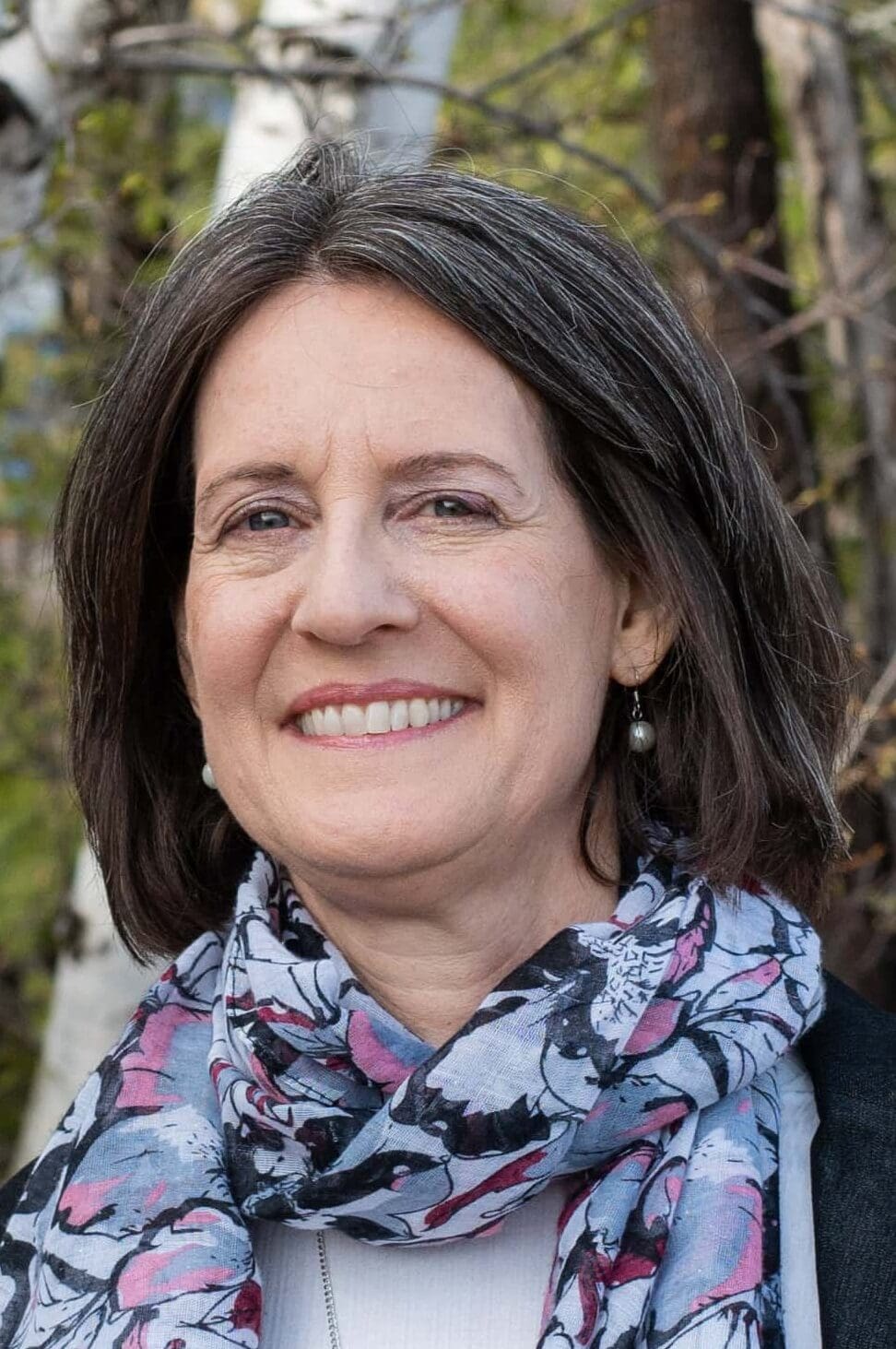
Meet Catherine Lauber
Rev. Catherine Lauber is a pastor, spiritual care provider, and former psychotherapist serving the Fryeburg New Church, in Fryeburg Maine. Her work blends Swedenborgian theology with a deep commitment to healing, growth, and compassionate community.