By Rev. Kevin Baxter
Perched atop historic Beacon Hill in Boston, the Boston Society of the New Jerusalem, affectionately known as the Church on the Hill, stands as one of the oldest and most enduring Swedenborgian congregations in the United States. Its story is one of intellectual curiosity, spiritual exploration, resilience through challenge, and a continued commitment to meaningful community life. Today, the church bridges more than two centuries of history with a renewed sense of purpose, offering a compelling example of how a historic religious society can remain vibrant in the modern world.
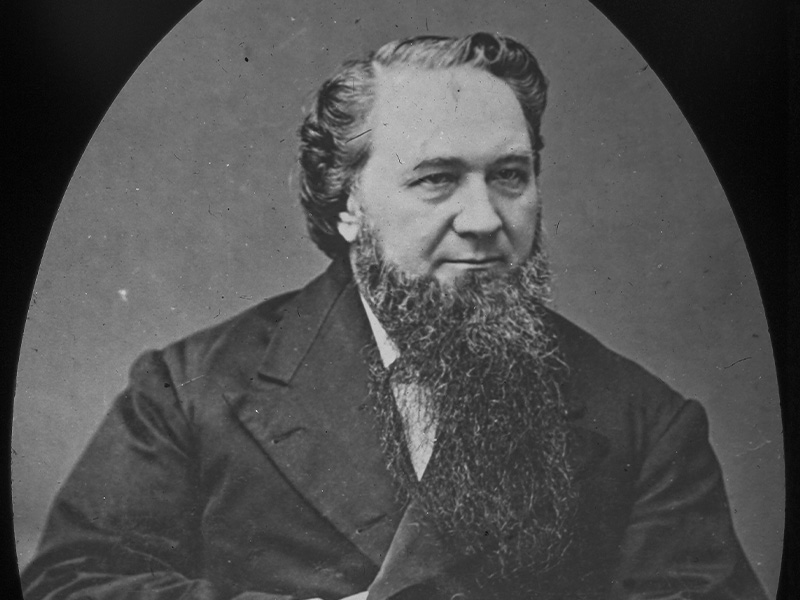
The origins of the Boston Society of the New Jerusalem stretch back to the late 1700s. Whether it was the lection James Glen gave in the Green Dragon Tavern or the reading groups the Rev. James Hill gathered, a mark was made. Hill gave his books to Harvard, where Thomas Worcester found them in a room of curiosities in the 1810s. Soon, a new reading group formed with Thomazine Minot, Thomas Worcester, Sampson Reed, Nathaniel Hobart, and more. After the Weeks heresy trial in Abington, Massachusetts, a more organized movement emerged, culminating in the formal establishment of the Boston church in 1818 (incorporation in 1823) as the first Swedenborgian church in Massachusetts.
In its early years, the Boston Society moved between several meeting spaces across the city before settling permanently on Beacon Hill in 1845. It afforded the rental halls for worship by allowing the pastor to run a boarding house to generate revenue to pay for the various halls. This location, overlooking the city both physically and symbolically, inspired the now-familiar nickname “Church on the Hill.” The original Gothic Revival building became a prominent landmark and a spiritual home for generations of worshippers until the mid-twentieth century.
The physical structure of the church has also evolved. The original Gothic building was replaced in the 1960s with a more modern facility integrated into an apartment complex, reflecting both practical needs and changing demographics, and, in some ways, a return to its earliest days when it ran a boarding house.
Like many long-standing institutions, the church has faced periods of difficulty. Internal challenges in the early twenty-first century—including a highly publicized federal investigation in 2013—threatened its stability. Yet the congregation endured, sustained by a committed core of members who worked to rebuild and re-imagine its future.
Today, the Church on the Hill is a smaller, but deeply engaged community, with a few dozen active members who gather regularly for worship, study, and fellowship. Its intimate size has fostered a strong sense of connection and shared purpose toward service and usefulness. This resilience has become a defining feature of its modern identity. Sunday worship remains at the heart of congregational life. Services are held weekly and combine traditional liturgical elements with a progressive theological outlook. Music plays a central role, featuring both classical and contemporary selections led by a professional choir.
Over the past decade, the church has done direct service through working with other groups to provide meals for all the people in the community and assembled teams to build homes with Habitat for Humanity. Through groups like the United Way and the Wonderfund of Massachusetts, church members assemble to pack bags with Christmas gifts, hygiene products, and laundry necessities to make a difference to marginalized people in the community. In addition to those programs, the church has given almost three million dollars in grants to help its community and the larger world.
Whether it was the founding of the Gregg Neighborhood House a hundred years ago, or the recent establishment of the Rev. Dr. Ted Klein Scholarship for Ethics and Philosophy at UMass Boston, education has continued to be another cornerstone of the church’s mission. We hold spiritual growth classes, discussion groups, and informal learning opportunities to invite participants to engage deeply with Swedenborgian teachings and their relevance to contemporary life.
In recent years, the church has taken significant steps toward renewal and reconnection. In 2024, it rejoined the Massachusetts New Church Union and the broader Swedenborgian Church of North America after two decades of independence. This milestone represents both a healing of past divisions and a renewed commitment to shared identity and collaboration within the wider Swedenborgian community.
At its heart, the Church on the Hill is a place of spiritual hospitality—a “home away from home” where individuals can explore faith, find support, and engage in meaningful relationships. Its theology encourages not only belief, but action: living a life of charity, openness, and service.
As Boston continues to evolve, so too does this historic congregation. It stands as a reminder that even in a fast-paced, ever-changing city, there is space for reflection, connection, and the quiet work of spiritual growth.
In many ways, the story of the Church on the Hill mirrors the broader Swedenborgian vision: a belief that renewal is always possible, that truth unfolds over time, and that communities grounded in love and purpose can endure. More than two centuries after its founding, the Boston Society of the New Jerusalem continues to live out that vision—faithfully, thoughtfully, and with hope for the future.
Rev. Kevin Baxter is the senior pastor at the Church on the Hill in Boston, Massachusetts. He also serves as the secretary for the Council of Ministers for the Swedenborgian Church of North America.
Read the full issue of the May Messenger.
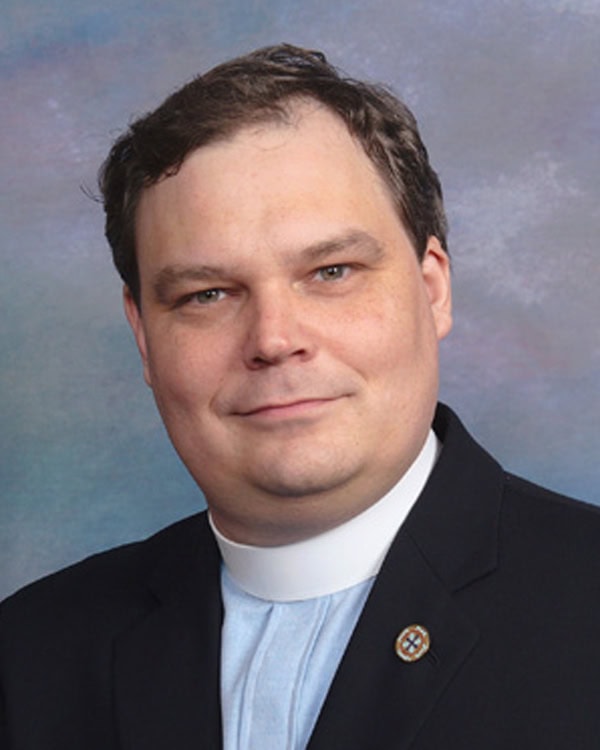
Meet Kevin Baxter
Rev. Kevin Baxter is the senior pastor at the Church on the Hill in Boston, Massachusetts. He also serves as the secretary for the Council of Ministers for the Swedenborgian Church of North America.