By Rev. Dr. Jim Lawrence
True story. A married couple, each teaching philosophy at a major state university in the south, reported a thought-provoking discovery when they first began researching Swedenborg. They were more aware of Swedenborg from connections to such literary arts figures as Blake and Balzac than they were to major philosophers and theologians, so they decided to confer with faculty scholars on their campus in both the religious studies and the arts departments. What they discovered painted a picture, if you will: nobody in the religious studies department knew anything about Swedenborg, and everybody in the arts department knew a fair amount about Swedenborg.
I’m quite aware of this situation after teaching at the Graduate Theological Union with the fourth-largest religious studies library in the United States. Walking through the rows and rows of biblical and theological studies while pulling book after book off the shelf to see if Swedenborg is in the index, 98% of the time, he isn’t. If I walk across the street to the University of California to one of their large libraries to explore novelists, poets, and artists of the nineteenth and twentieth centuries, however, I discover Swedenborg quite often abiding in the index.
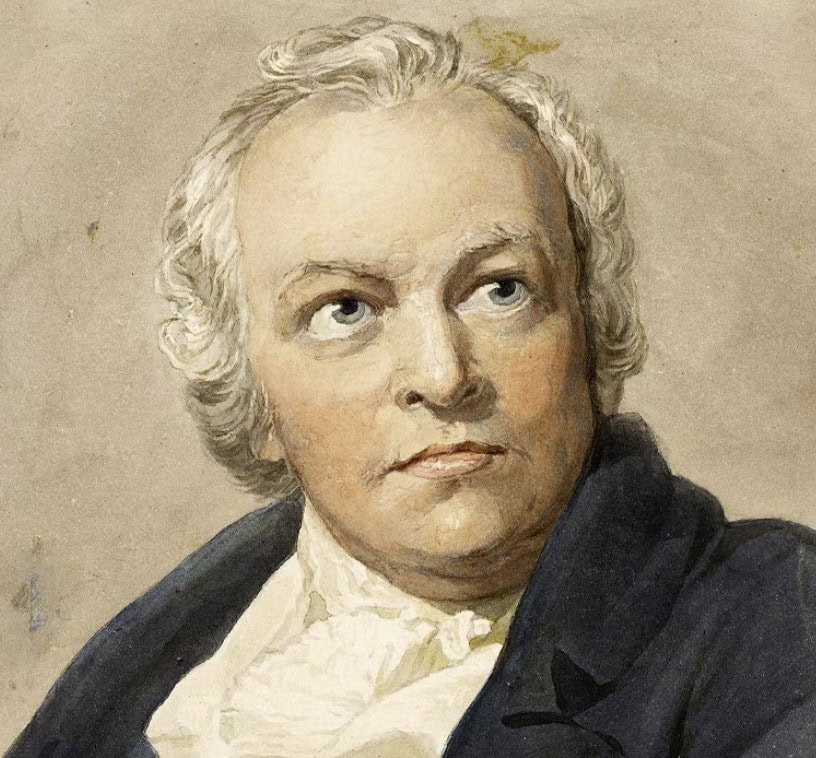
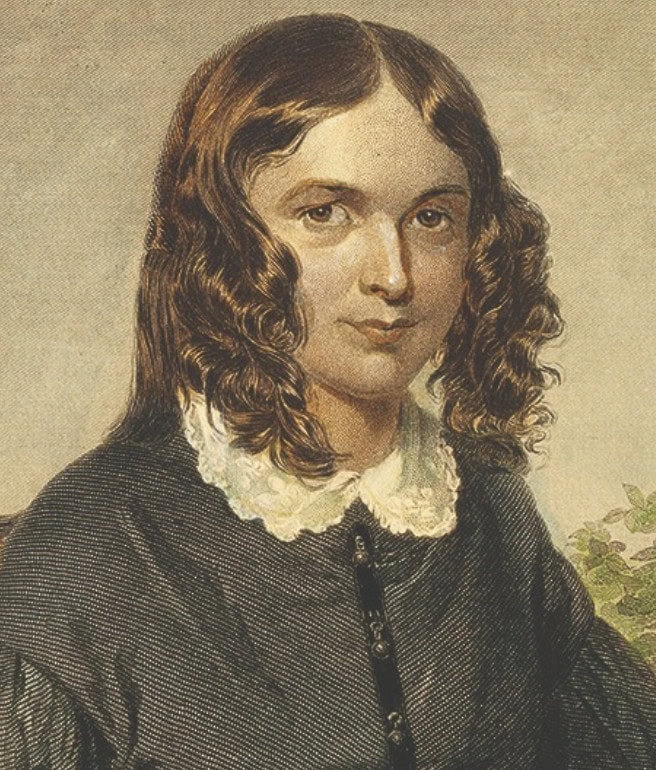
The various Swedenborgian branches have gathered summaries of “the famous names” list of those across the arts who found inspired engagement with Swedenborg’s radical cosmos. Honoré de Balzac, Charles Pierre Baudelaire, William Blake, Ralph Albert Blakelock, Jorge Luis Borges, Elizabeth Barrett Browning, Daniel Burnham, Thomas Carlyle, Frederic Edwin Church, Samuel Taylor Coleridge, Sir Arthur Conan Doyle, John Flaxman, Robert Frost, Johann Goethe, Edgar Guest, Nathaniel Hawthorne, Heinrich Heine, Johann Herder, Julia Ward Howe, William Dean Howells, George Inness, Henry James, Sr., Sarah Orne Jewett, William Keith, Sheridan Le Fanu, Vachel Lindsay, George MacDonald, Edwin Markham, Czeslaw Milosz, William Page, Coventry Patmore, Edgar Allan Poe, Hiram Powers, Howard Pyle, Kathleen Raine, Dante Gabriel Rossetti, Arnold Schoenberg, August Strindberg, Walt Whitman, Richard Yardumian, and William Butler Yeats represent the big picture, if you will.
What is the teaching tale of this true story of Swedenborg keeping company with an honor roll of figures in the arts and a backseat place in religious studies? We’ll be having some spiritual fun with this culture tale at our summer convention in Boston. A few significant philosophical thinkers have taken Swedenborg seriously, such as Ralph Waldo Emerson. He picked Swedenborg as “the mystic” for his well-known 1850 collection of seven essays titled Representative Men: “A colossal soul, Swedenborg lies vast abroad on his times, uncomprehended by them and requires a long focal distance to be seen…One of the missoriums and mastodons of literature, he is not to be measured by whole colleges of ordinary scholars.”
We will be at one of those colleges in Boston this summer, and I encourage you to join us physically or virtually for our annual summer convention, as we do our necessary business along with playfully exploring the deep romance between the arts and Swedenborg.
—Rev. Dr. Jim Lawrence
Read the full issue of the March Messenger.
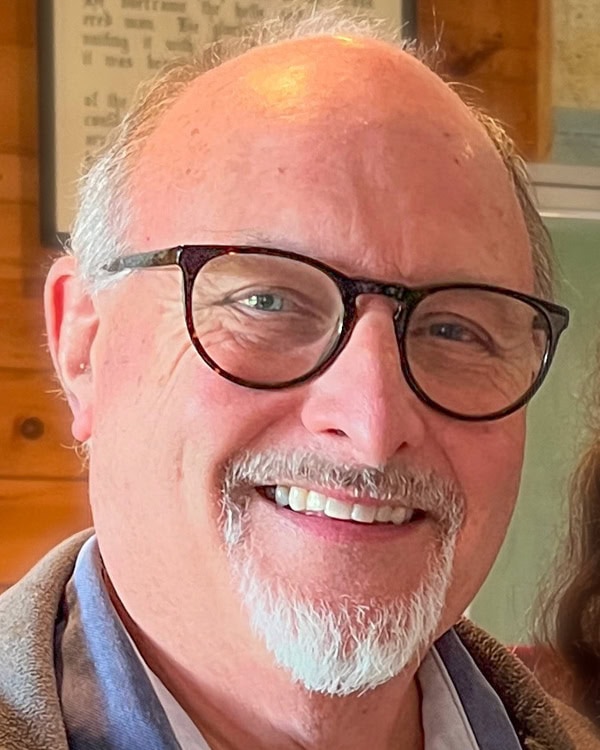
Meet Jim Lawrence
Rev. Dr. Jim Lawrence is the president of the Swedenborgian Church of North America. He was the dean of the Center for Swedenborgian Studies for 21 years prior to being elected President in 2022.